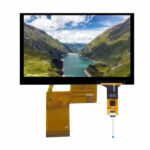
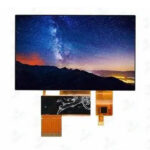
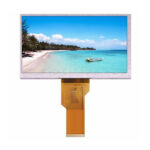

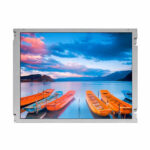


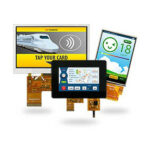







































Integrated Circuit (IC) displays, also known as digital displays, are a type of electronic display that use integrated circuits to control individual pixels or segments on the screen. IC displays are commonly used in devices like calculators, digital watches, and other small electronic devices.
IC displays typically consist of a series of connected segments or dots, each of which can be turned on or off independently. The segments or dots are controlled by a microcontroller, which sends signals to the integrated circuit to activate or deactivate the individual segments.
One of the benefits of IC displays is their low power consumption, making them ideal for small, battery-powered devices. They are also highly reliable and have a long lifespan, as they have no moving parts and are not subject to wear and tear.
IC displays come in a variety of forms, including seven-segment displays, dot matrix displays, and alphanumeric displays. Seven-segment displays use seven segments to display numbers and other characters, while dot matrix displays use a grid of dots to create more complex images and text. Alphanumeric displays combine both types of displays to display letters, numbers, and other symbols.
While IC displays may not offer the high resolution and color capabilities of other types of displays, they are highly versatile and can be used in a wide range of applications. Understanding the basics of IC displays can help you choose the right type of display for your electronic device.